Selling Real Estate Frequently Asked Questions
Shawn Lin
•


The Reserve Bank of Australia (RBA) raised the cash rate by 25 basis points to 3.85% on 3 February, marking the first increase in two years. Although labelled a "shock hike", it was anticipated by 70% of financial markets. The RBA cited stronger-than-expected private demand and rising housing activity as key factors. Banks are expected to pass on the rate hike to mortgage holders soon.
At C&R Realty International, we understand that selling your property can feel overwhelming, especially if it is your first time. Below are some frequently asked questions to help guide you through the selling process.
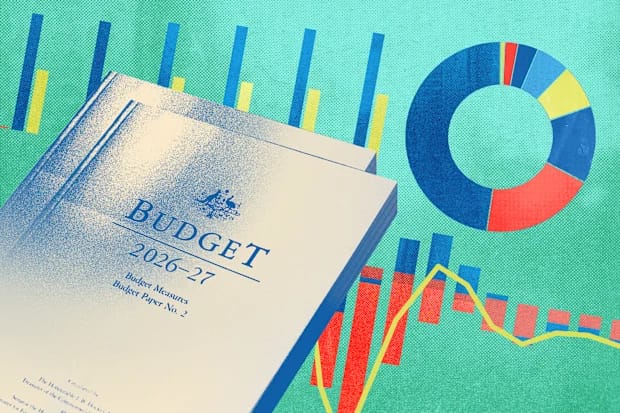
The 2026 Federal Budget has introduced a range of proposed measures that are expected to influence Australia’s property market over the coming years. While the headlines have focused heavily on tax reform and investment settings, the overall approach is one of gradual transition rather than immediate disruption.
At its core, the Budget aims to rebalance long-term investment incentives while supporting increased housing supply across the country.
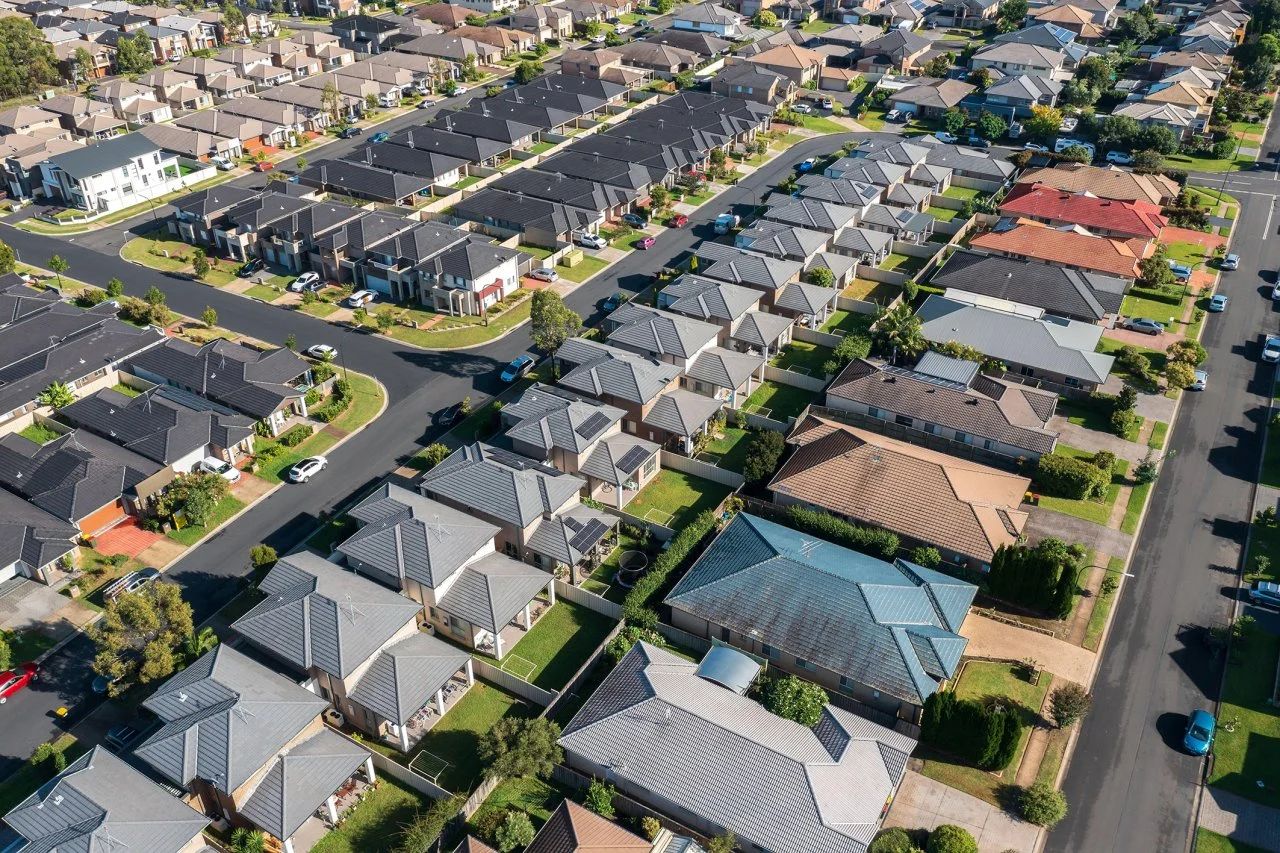
Sydney’s property market remains one of the most competitive in Australia, and for many buyers—especially first-home buyers—the biggest question is: apartment or detached house?
At C&R Realty International, we work closely with Sydney buyers every day, and the reality is simple—your choice will come down to budget, location, and long-term goals.