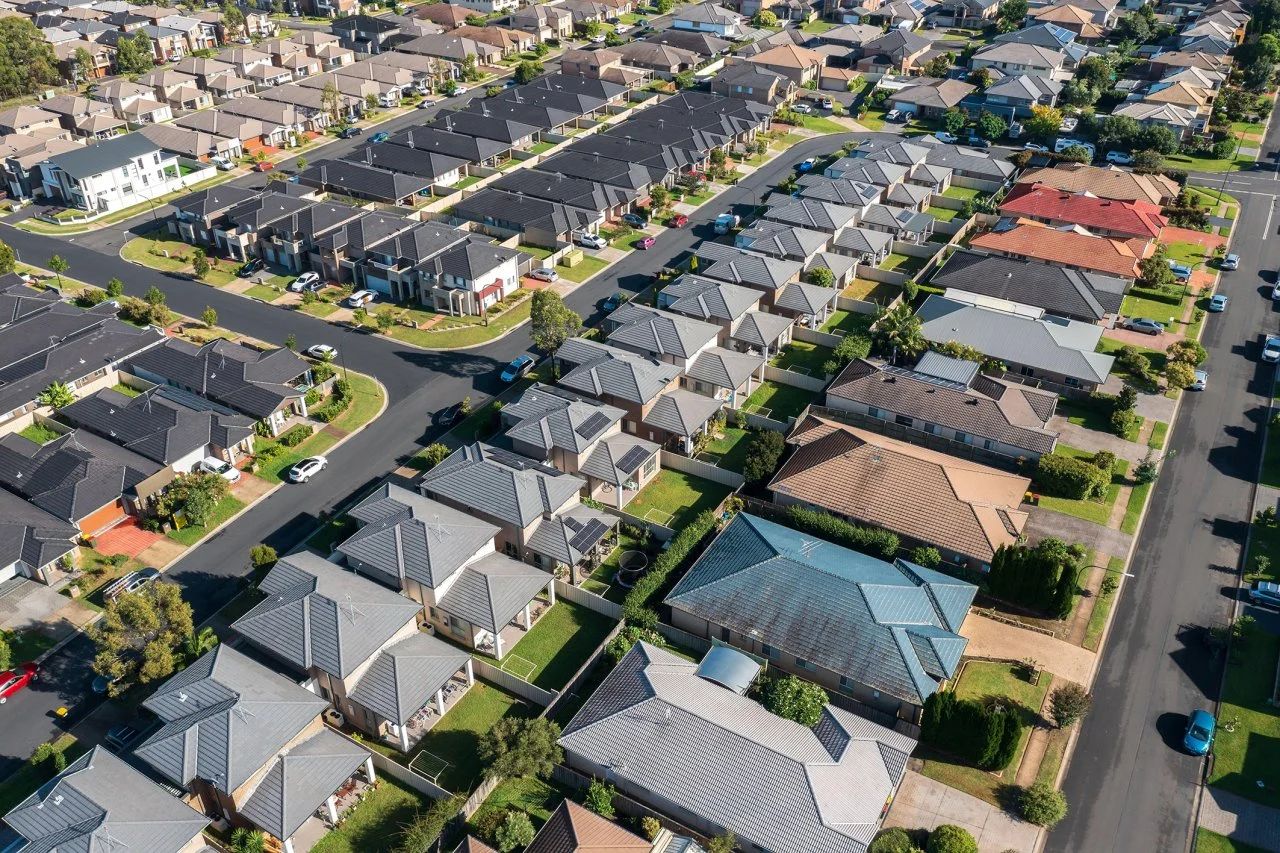
A Market Driven by Long-Term Fundamentals
Despite policy changes, the Australian property market continues to be underpinned by strong structural drivers, including:
Population growth across major cities
Ongoing housing undersupply
Strong rental demand
Long-term confidence in property ownership
These fundamentals remain unchanged and continue to support both residential and investment markets.
Focus on Housing Supply
A key priority in the Budget is increasing housing supply to ease long-term pressure on affordability and rentals.
This is expected to include support for:
New housing developments
Infrastructure investment (roads, utilities, transport)
Build-to-rent projects
Incentives for developers and construction activity
Support for first-home buyers
If successfully delivered, increased supply may gradually ease rental pressures and improve housing availability, particularly in high-demand metropolitan areas.
Impact on Interest Rates and Borrowing Conditions
While interest rates remain the responsibility of the Reserve Bank of Australia, Budget settings can still influence broader economic sentiment.
Potential outcomes for buyers include:
Improved confidence in borrowing conditions
Stabilisation of household cost pressures
Stronger sentiment if inflation continues to ease
Overall, stability in inflation and employment conditions may encourage more property market activity in the second half of the year.
Negative Gearing and Investment Changes
From 1 July 2027, changes are proposed to how negative gearing applies to established residential properties.
Key updates include:
Losses from established properties may only be offset against residential property income or capital gains
Existing investors are expected to be grandfathered if purchases occurred before 12 May 2026
Negative gearing remains available for new builds
These changes may encourage investors to shift focus toward:
New developments
Off-the-plan properties
House-and-land packages
Capital Gains Tax (CGT) Reform
From 1 July 2027, the capital gains tax framework is expected to transition toward a new model.
Proposed changes include:
Replacement of the 50% CGT discount with an indexation-based system
A minimum 30% tax rate on net capital gains for certain entities
Continued exemption for principal places of residence
Transitional arrangements for existing assets
Investors may increasingly adopt longer-term holding strategies as a result of these changes.
Rental Market Conditions
Sydney and other major cities continue to experience strong rental demand and low vacancy rates.
Key pressures include:
Landlords and investors are also monitoring:
Rental affordability remains a key issue across the market.
Opportunities for Investors
Despite policy changes, long-term investment fundamentals remain strong.
Key drivers include:
Western Sydney in particular continues to attract investor interest due to:
What This Means for Buyers and Sellers
Buyers
Buyers may benefit from:
Gradual improvements in housing supply
Slight easing of investor competition in some segments
Continued strong demand for quality homes
However, competition for well-located properties is still expected to remain strong.
Sellers
For sellers, market outcomes will continue to depend on local conditions rather than Budget announcements alone.
Well-presented homes in desirable areas are expected to maintain strong buyer interest, particularly from owner-occupiers.
Final Thoughts
The 2026 Federal Budget introduces several policy adjustments that may influence the property market over time, particularly around taxation and housing supply.
However, the transition is gradual, and the Australian property market remains supported by strong long-term fundamentals.
For buyers, sellers, landlords, and investors, staying informed and focusing on individual circumstances will remain the key to making confident property decisions in 2026 and beyond.
If you would like a property appraisal, rental market update, or tailored advice, the C&R Realty International team is here to help.